


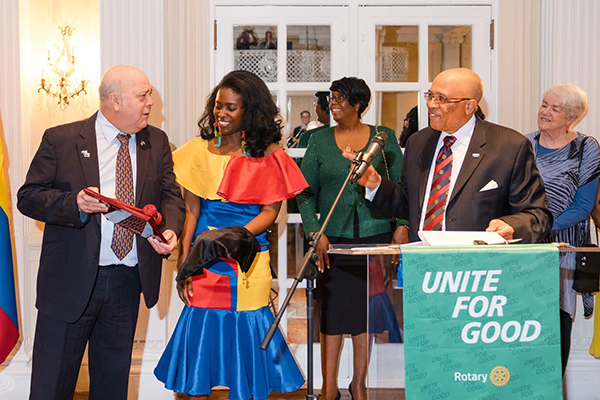
By Mariama Keita-Thiero, Rotary Club of Washington, D.C., USA
For nearly two decades, I built a career at the intersection of communications and global development. I was the first graduate student in my New York University master’s program to secure a summer White House internship under the Obama Administration. I went on to work in the United Nations system in New York City, then, in 2015, was recruited to Washington, D.C. to join what was once called the world’s number one development agency: USAID.
As a development diplomat, I spent years communicating the impact of American humanitarian assistance across three continents and five sectors. I interviewed community heroes and helped curate global forums that convened world leaders. This was never just a job. It was a calling.
I never imagined that on 1 February 2025 it would end.
Within five to six months, USAID was dismantled. Over 10,000 personnel, including myself, went from employed to unemployed, and what remained was folded into the State Department. I became part of a staggering statistic (The New York Times reported that nationwide, Black women lost 319,000 jobs between February and July of 2025).
So the question became: what next?
A year and a half later, I’m still in a season of career pivot. But what has stayed constant is my commitment to service. The Rotary Club of Washington, D.C. became my source of renewal, a place to turn adversity into leadership. I told our now outgoing president, Donnie Shaw, the club’s first Black American male president in its 100-plus-year history, that I wanted to contribute in a deeper way than ever before.
Within a one-year period, I stepped into the role of co-chair of our Embassy International Relations Committee, putting my communications and cultural diplomacy skills to work. That meant inviting thought-provoking guest speakers to our weekly luncheons, from His Excellency Dr. Al Hassan Conteh, Ambassador of the Republic of Liberia to the United States, to Dr. William Lawrence, Area Studies Director at the National Council on U.S. Arab Relations and a professor at Georgetown and American Universities, who spoke on U.S. relations with the Muslim world.
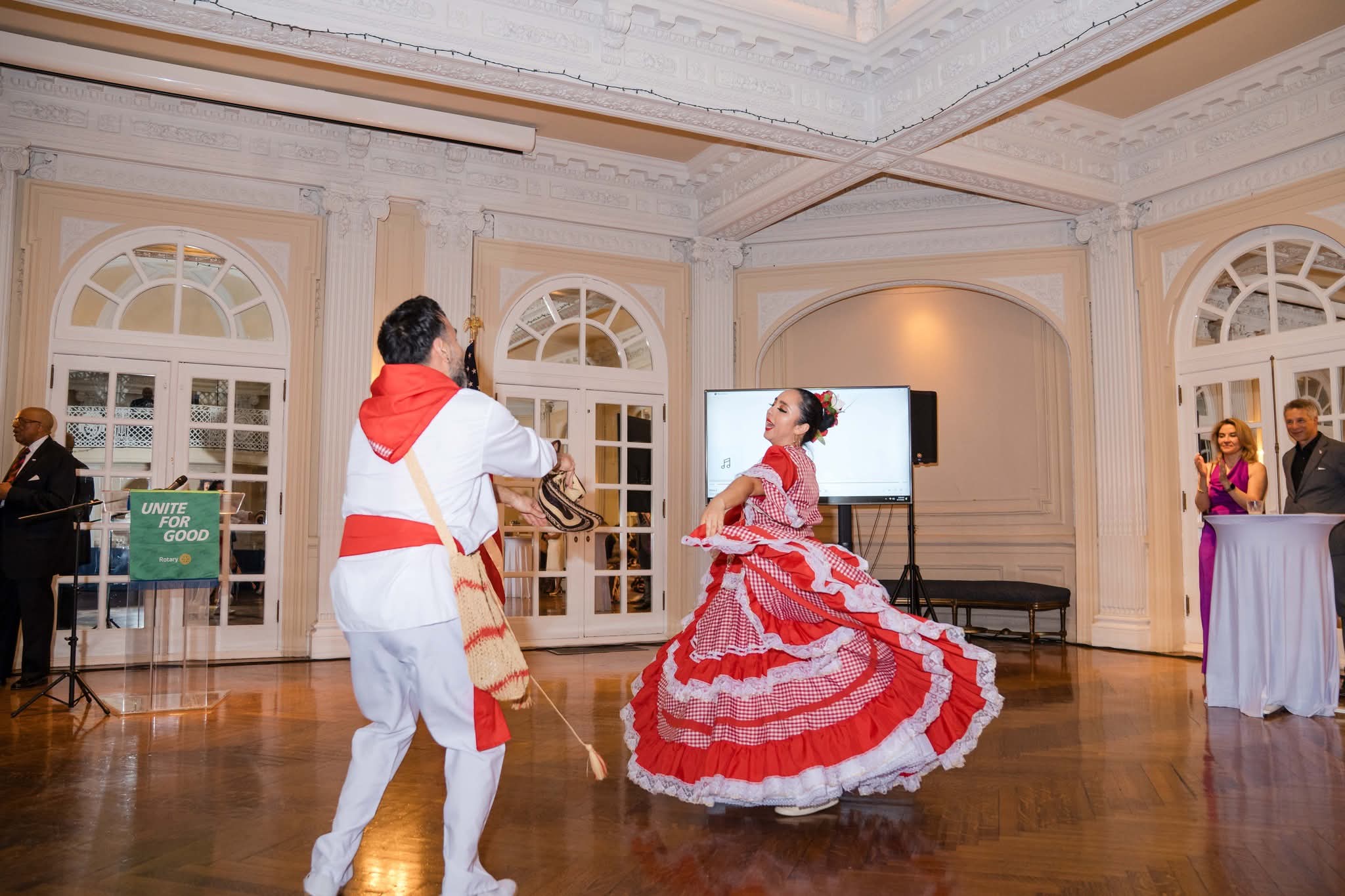
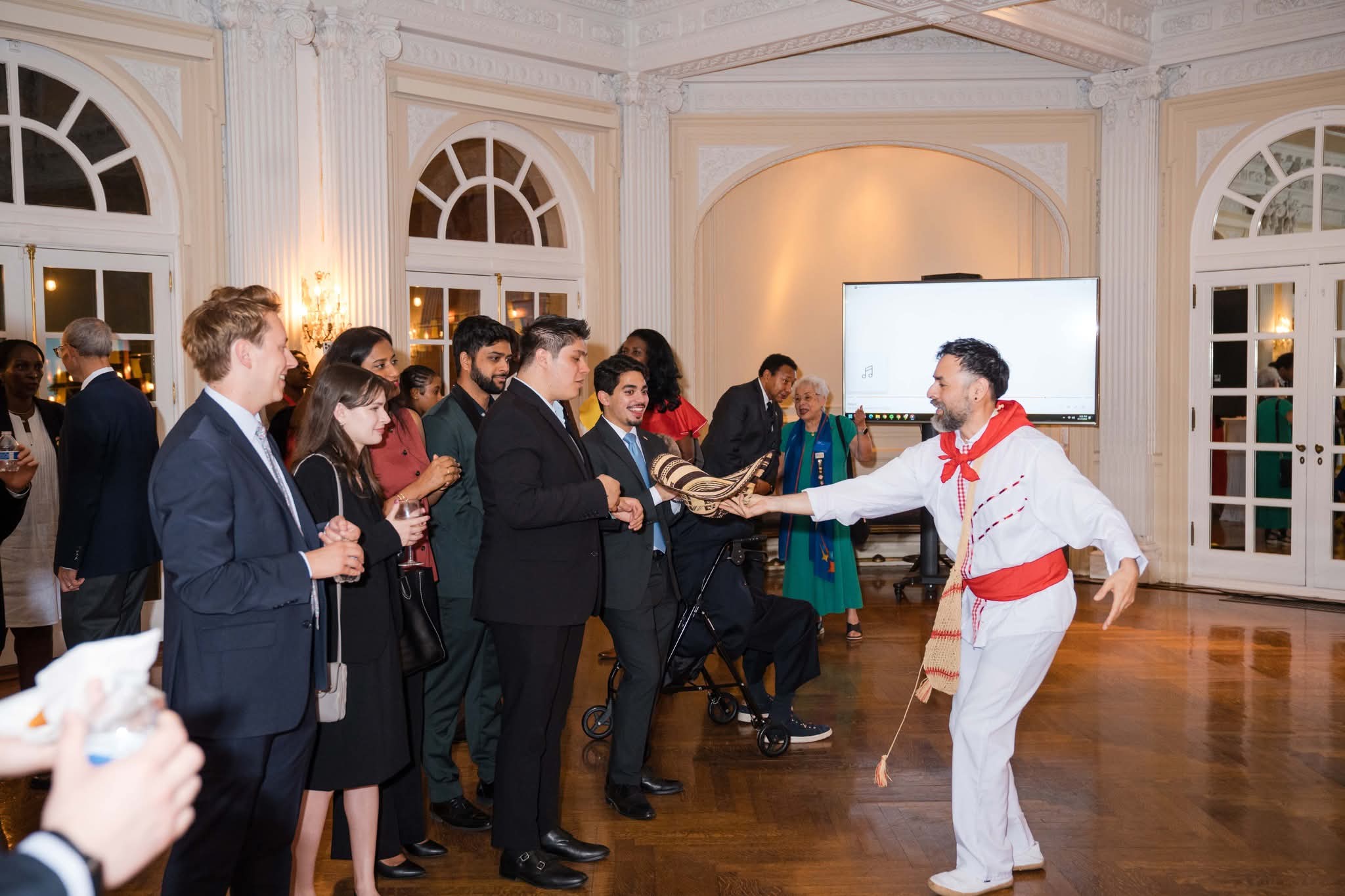
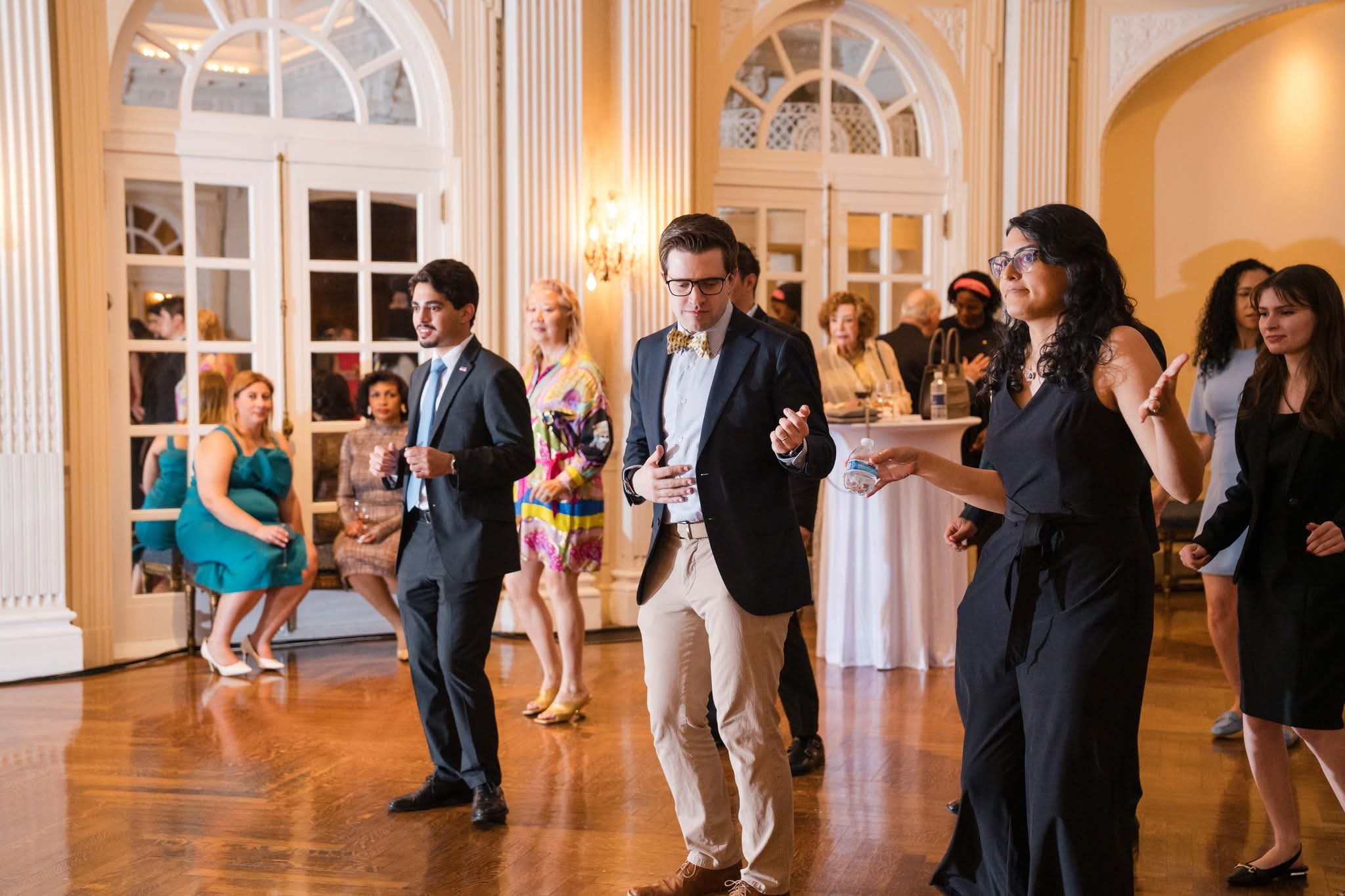
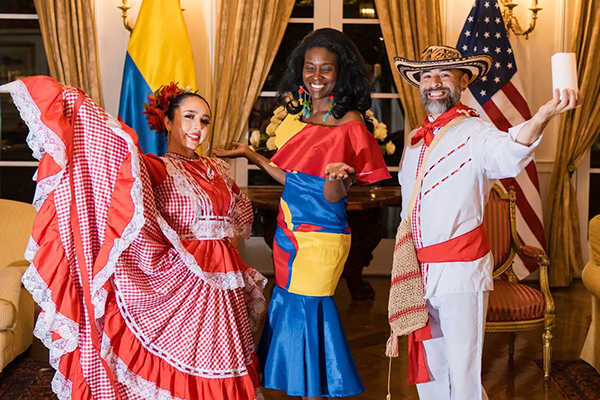
It also meant, in May 2026, organizing our annual ambassadorial reception at the residence of Colombia’s ambassador, Daniel García Peña. More than 70 guests, including ambassadors and diplomats from Uganda, Benin, Mexico, Colombia, Eritrea, and the United Nations, joined Rotary members from as far as Florida and Virginia. Rotaractors brought infectious energy, and the night closed with a vibrant Colombian cumbia performance, a living reminder that culture is one of diplomacy’s most powerful tools.
I never considered myself a fundraiser, but that evening we raised $8,200 for FUNDAMIRA, a nonprofit advancing digital education in rural Colombia, the highest total our reception has ever earned. Those funds will help build an IT classroom for underserved Afro-Colombian communities.
Job loss strips away titles. It cannot strip away purpose. In the middle of unemployment and uncertainty, I found something steady: a community built on service creating lasting impact locally and globally. I don’t know what my next chapter looks like. But I trust the process and know resilience isn’t the absence of struggle. It’s what you build in the middle of it, one act of service at a time.
https://blog.rotary.org/2026/07/16/anchored-by-service-in-a-season-of-career-transition/