


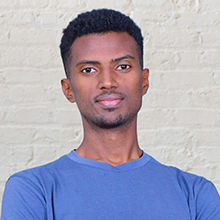
By Jaefer Jemal Muhammed, a 2026 Rotary Peace Fellowship finalist, University of Bradford master’s degree program
In 2023, Fano militants intercepted the minibus I was traveling in near Merawi, Ethiopia, ransacking our belongings looking for weapons. I didn’t bear any arms, I wasn’t a soldier. I was a project manager tasked with building a gas station that will fuel ambulances and clinics, restoring essential services for more than 50,000 civilians amidst an ongoing conflict. In that moment of terror, staring down an AK-47, I realized peace isn’t created in conference halls alone. Sometimes it is forged on a road between two hostile towns when infrastructure is built to restore trust and dignity.
Peacebuilding as infrastructure
Traditional peacebuilding models, while crucial, can sometimes overlook the systems that hold fragile communities together. In places like Amhara, where formal institutions have stalled or collapsed due to active conflict; roads, fuel, electricity, and healthcare are more than amenities — they are instruments of trust. When people can drive ambulances safely, access power during lifesaving treatment, or send their loved ones to clinics without the fear of crossfire, the foundations of peace are laid quietly.
This philosophy has guided my work for the past eight years as a project manager and lead architect operating in conflict-affected regions of Ethiopia. It is also the basis for the DangerScout Model, a community-driven danger mapping framework I developed while managing infrastructure projects in war zones.
The DangerScout Model
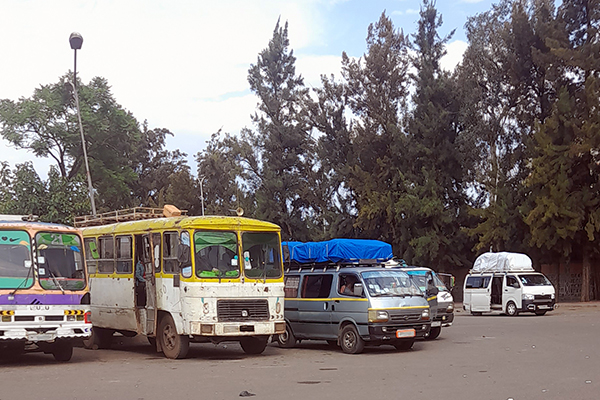
Before sending workers in and commencing the gas station project, I spent three days in Merawi to understand movement patterns, military presence, and civilian behavior. A striking pattern emerged: violence flared as the rebels struck the military when it moved between towns. Safe zones shifted quickly and to safely operate within the town, informal intelligence among locals was crucial. That’s when the idea emerged: tap into the real-time knowledge of minibus drivers.
I partnered with three local drivers who navigated cross-town routes transporting passengers. Through an informal network of drivers, they tracked clashes, checkpoints, and armed convoys looking for safe passages. In exchange for modest stipends, these “Danger Scouts” began couriering construction documents, reporting safer roads for material transportation, and mapping danger zones in real time, all while doing their usual work.
Lessons learned
With the internet down, this analog network became our firm-to-site communication system and after four months, the fuel station was completed without a single safety incident. Today, as the conflict still continues in our region, the gas station fuels over 10 ambulances, minibuses, and multiple clinics. More importantly, the model is replicated in over 12 infrastructure projects across West Gojjam, where we have learned a few key lessons:
- The model, while efficient, needs to be paired with other emergency protocols, since the driver’s networks mostly fail to predict covert attacks carried out by a small number of commandos.
- In almost all sites, getting the rebel’s buy-in was a must since the towns were controlled by the militants.
- It is vital to carry the private construction firm’s licenses and to show proof of no affiliation with any governmental agencies or personnel.
- It is also important to pre-store 80-100% of construction materials in safer times so that construction can continue uninterrupted during conflict flares outside of the construction zones.
Quiet blueprint of peace
Not every peacebuilder needs to be a diplomat, negotiator, or scholar. Some of us are just architects, drivers, and nurses trying to restore dignity and trust. The DangerScout model is peacebuilding in action, a subtle weaving of local knowledge, economic inclusion, and shared risk. In conflict zones, every liter of fuel and mile of road becomes a quiet peace process, enabling healthcare workers to save lives and reach those in need.
I invite you to share your own experiences of tapping into unexpected community networks and post your thoughts below. If this story resonated with you, please consider sharing it with your Rotary club or social media so we can continue highlighting how community-led infrastructure can lay the foundations of peace.
About the author: Jaefer Jemal Muhammed is a project manager and architect based in Ethiopia with over eight years of experience managing infrastructure projects, including those in conflict-affected regions. He is the co-founder of the Bahir Dar Chess Club and an active supporter of the Amhara Women Federation’s advocacy programs. He is currently researching decentralized solar microgrids for rural clinics and advising on energy policy frameworks to support healthcare resilience in war-affected communities. He is a 2026 finalist for the Rotary Peace Fellowship at the University of Bradford.
https://blog.rotary.org/2026/02/12/community-led-risk-mapping-building-peace-in-conflict-zones/